- 25 October, 2026

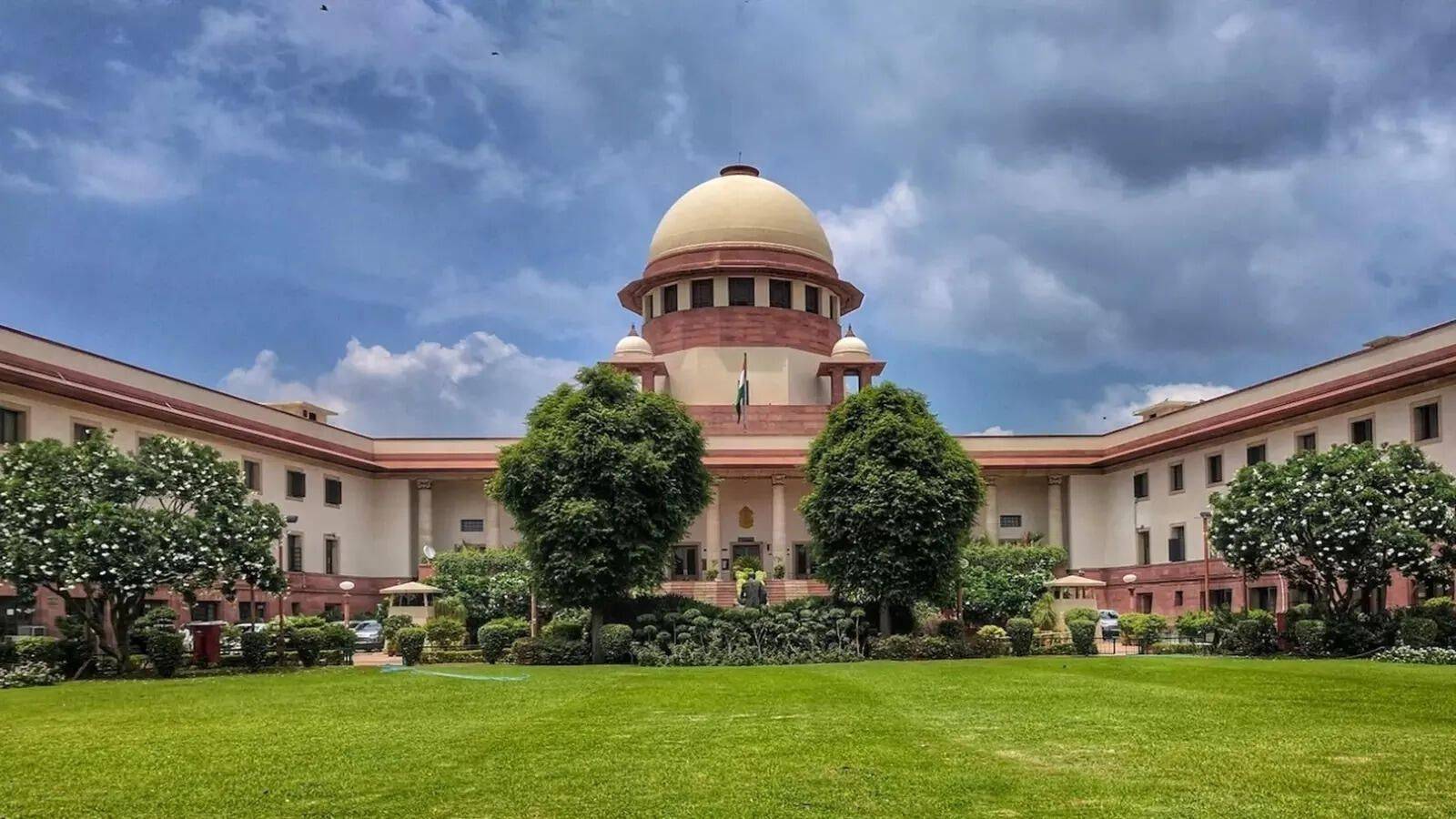
March 20, 2026: The Supreme Court of India brought relief to a family from Uttar Pradesh, setting aside criminal proceedings against a man and his son in a case alleging forced religious conversion. The Court found that the prosecution lacked credible evidence and was rooted in legally flawed complaints.



The case originated on June 11, 2023, when the man’s son and a friend were engaged in private prayer inside their home. There was no public gathering or organised event. However, a group soon gathered outside, raising allegations of unlawful religious conversion. The situation escalated quickly, leading to police intervention and the arrest of the young man, who spent nine days in custody under the state’s anti-conversion law.
Although the initial complaint did not name the father, he was subsequently added as an accused. The allegations broadly claimed that conversions were taking place through inducements such as money, food, education, and medical assistance. However, no specific individuals were identified as victims, nor were clear instances of coercion substantiated.
The family challenged the proceedings, arguing that the complaint itself was not filed by an “aggrieved person” as required under the law. The Supreme Court judgment in a related matter highlights that complaints under anti-conversion provisions must be initiated by the affected individual or close relatives, not by unrelated third parties.
A sessions court in Pilibhit took note of this legal defect and granted protection from arrest. Despite this, the investigation continued, a chargesheet was filed, and trial proceedings were initiated. The Allahabad High Court later declined to quash the case, prolonging the family’s legal struggle.
When the matter reached the Supreme Court, the bench examined not only the facts of the case but also broader legal principles governing such prosecutions. Referring to its earlier findings in similar cases, including those arising from alleged mass conversions in Fatehpur, the Court reiterated that criminal proceedings cannot be sustained in the absence of clear and credible evidence. In those matters too, multiple complaints had been filed—some by individuals not directly affected—raising serious concerns about the misuse of legal provisions.
The Court also took note of patterns where multiple FIRs were registered based on similar or identical allegations, often without independent verification. Such practices, it observed in the broader judgment, can undermine due process and lead to unnecessary criminal trials.
Applying these principles, the Supreme Court quashed the case against the family, effectively ending nearly three years of legal proceedings.
The ruling comes amid growing scrutiny of anti-conversion laws and their implementation. The judgment underscores that allegations of religious conversion—particularly those involving claims of inducement—must be supported by concrete evidence and initiated by legally competent complainants.
Legal observers note that the decision reinforces constitutional safeguards, including the right to freedom of conscience and the practice of religion. It also serves as a reminder that criminal law cannot be invoked on the basis of vague or unverified accusations.
The case forms part of a wider legal landscape in which several petitions challenging anti-conversion laws remain pending before the Supreme Court. As these challenges progress, the Court’s recent observations are likely to play a significant role in shaping the interpretation and application of such laws across the country.
By Catholic Connect Reporter




© 2026 CATHOLIC CONNECT POWERED BY ATCONLINE LLP