- 09 September, 2026

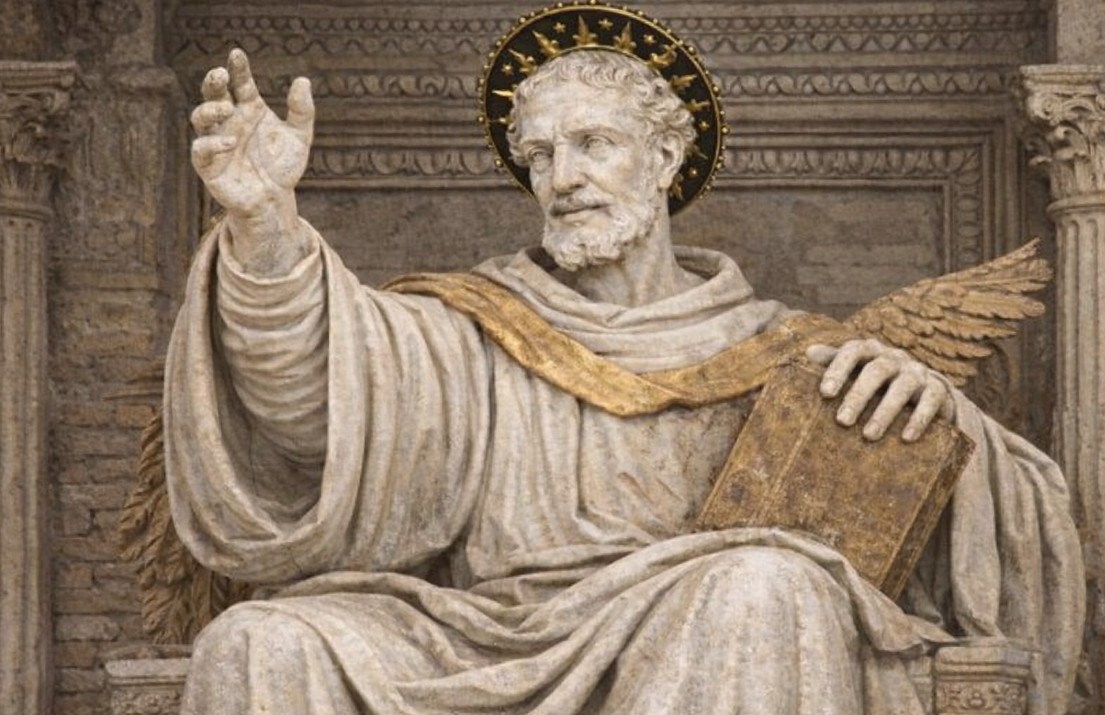
St. Lucius I, the twenty-second successor of Saint Peter, served as pope for less than a year, yet his story became a powerful symbol of perseverance and hope. Elected during a period of persecution, he experienced exile almost immediately after becoming Bishop of Rome. Remarkably, he was later allowed to return and continue leading the Christian community. His life reminds believers that faith can endure even in the face of uncertainty and suffering.


What gives a leader the courage to return after being forced into exile?
For Pope Lucius I, the answer was faith. Though his pontificate was brief, he demonstrated resilience during one of the Church's most challenging periods. His willingness to continue serving despite persecution inspired Christians who lived under the constant threat of imprisonment or death.

Very little is known about Lucius' early years. Like many early popes, he lived during a time when Christianity was still not legally recognised within the Roman Empire.
Growing up amid uncertainty and occasional persecution likely shaped his understanding of Christian discipleship and prepared him for the trials he would later face as pope.
Lucius was elected Bishop of Rome in 253 AD following the death of Pope Cornelius.
The Church was still recovering from the divisions caused by the Novatian schism and the effects of the Decian persecution. Christians needed stability, encouragement, and strong leadership as they rebuilt their communities.
Lucius led the Church during a turbulent period in Roman history.
Shortly after his election, Lucius was reportedly exiled by Roman authorities. However, changing political circumstances allowed him to return to Rome and resume his ministry.
Although his papacy lasted only a few months, Lucius made several meaningful contributions:
These actions reinforced the Church's mission of unity, forgiveness, and hope.
Lucius is remembered for:
His spirituality reflected trust in God's providence and steadfast commitment to the Christian community.
(CLICK HERE to follow Catholic Connect for regular Catholic News & Content)
Lucius faced several difficulties:
Despite these challenges, he remained a symbol of faithful endurance.
Although no writings from Lucius survive, his example offers a timeless lesson: Faithfulness is measured not by comfort, but by perseverance.
Lucius was honoured as a saint by the early Church.
While some early traditions described him as a martyr, modern historians generally believe he died a natural death shortly after returning from exile.
Why does St. Lucius I matter today?
His legacy continues through the life of the Church today, carried forward by his successors.
To know more about the previous Popes, click here
By Catholic Connect Reporter
________________________
St. Lucius I, Pope Lucius biography, twenty-second pope Catholic Church, Pope Lucius exile, early Catholic popes, Novatian schism, Roman persecution Christians, Catholic Church history, apostolic succession, Pope Lucius facts



© 2026 CATHOLIC CONNECT POWERED BY ATCONLINE LLP