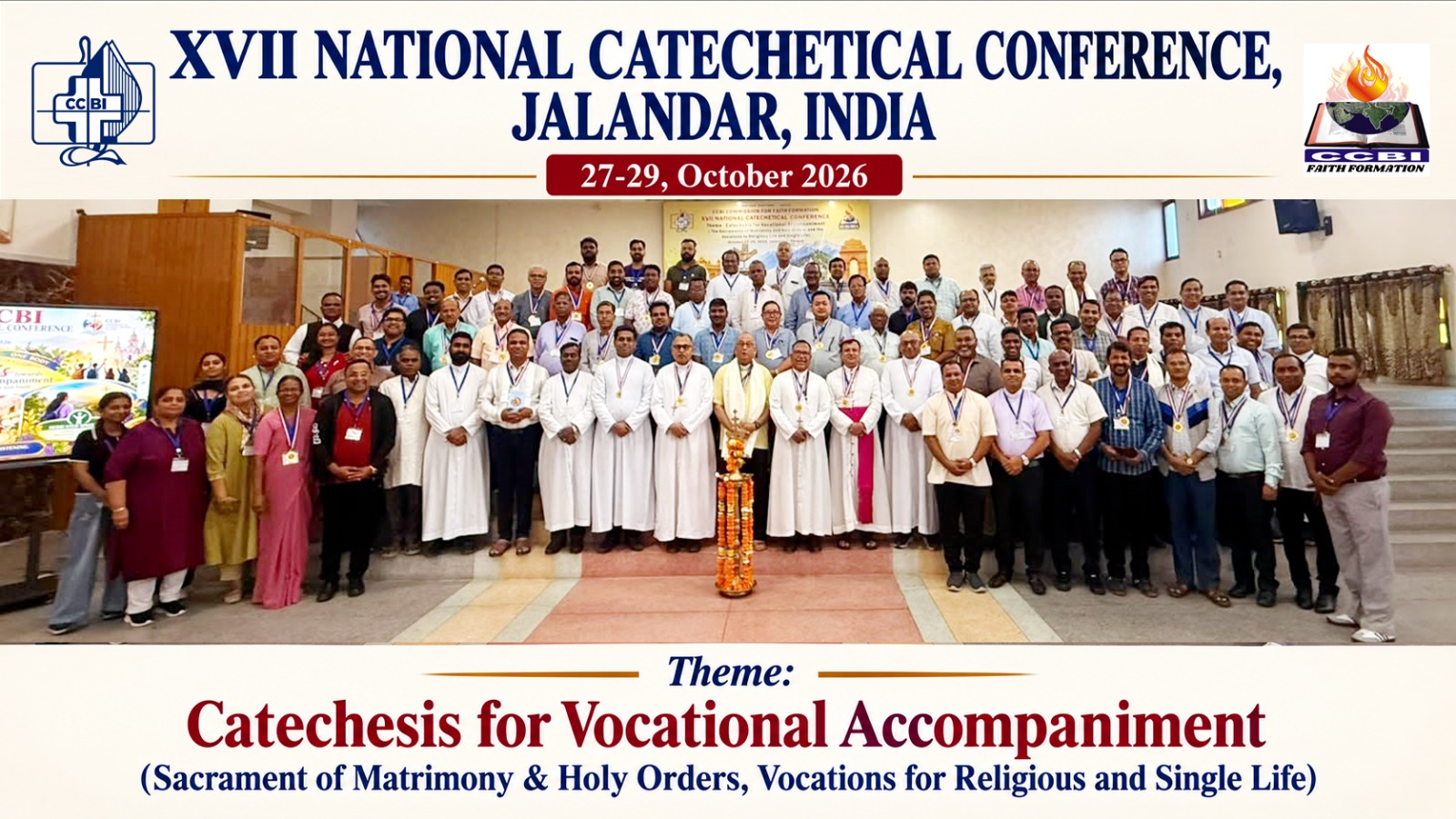
- 27 October, 2026


Dec 12, 2025: Every year on December 12, Catholics across the world celebrate the Feast of Our Lady of Guadalupe, a day soaked in devotion, mystery, and awe. As you read this, pause for a moment and consider: how can one humble tilma from the 16th century still captivate scientists, pilgrims, and believers alike? The story of Guadalupe is not just history — it invites you, the reader, to stand on Tepeyac Hill and rediscover a miracle that continues to speak to every generation.



Here are nine miraculous facts that make the story of Our Lady of Guadalupe even more breathtaking:
1. The Tilma Should Have Disintegrated 450 Years Ago — But It Hasn’t
Juan Diego’s tilma — belonging to St. Juan Diego, a humble indigenous farmer — was made of ayate, a rough cactus-fibre cloth that normally lasts only 20–30 years before breaking down. Yet the image has survived nearly five centuries without signs of decay — even though it has been exposed to humidity, candle soot, touching, and natural disasters. Scientists examining the tilma cannot explain its preservation.
2. A 1921 Bomb Explosion Didn’t Leave a Scratch on the Image
A man disguised as a pilgrim hid a powerful bomb of dynamite under flowers placed before the tilma. The explosion destroyed the altar, bent a heavy bronze crucifix into a U-shape, shattered marble floors and windows — yet the tilma, hanging just a few feet away, was completely untouched. No human explanation has ever been given.
3. The Eyes Contain Human-like Reflections
Ophthalmologists who studied the tilma report that Our Lady’s eyes reflect the scene that Juan Diego would have seen when he opened his tilma before Bishop Zumárraga — including tiny human figures. The reflections follow the Purkinje effect, something that naturally occurs only in living human eyes.
4. Inside Her Eyes Is the Entire Scene of the Apparition
Further scientific examination revealed something even more astonishing: the entire room and the people present during the moment Juan Diego opened his tilma are micro-reflected in her eyes. In both eyes, researchers identified Juan Diego himself, the bishop, an interpreter, and others — a level of optical detail impossible to produce by human hands in the 16th century.
5. The Stars on Her Mantle Match the Sky of December 12, 1531
Researchers discovered that the stars painted across Mary's turquoise mantle reflect the exact arrangement of constellations visible above Mexico City at dawn on the winter solstice of 1531. It is as though the tilma captures the cosmic moment of her appearance.
6. Her Image Has No Trace of Brushstrokes
Under infrared and microscopic examination, experts found no brushstrokes, no sketch lines, and no pigment that behaves like traditional paint. The colours seem to hover slightly above the fibres, as if the image were imprinted by light. Centuries of artists have failed to replicate the tilma’s technique.
7. The Tilma Maintains a Constant Temperature — Like a Living Body
In several studies, the tilma’s surface registered a consistent temperature of 36.6–37°C, the same as a healthy human body. Though the fibres should respond to external heat or cold, the tilma strangely does not.
8. Her Message Converted Nine Million People in a Decade
Following the apparition, missionaries reported unprecedented conversions across Mexico. Within ten years, an estimated nine million indigenous people embraced Christianity — a number historians say is unmatched in Church history. The tilma became the evangelizing icon of the Americas.
9. The Miracle of the Castilian Roses in Winter
To convince the bishop of the apparition’s authenticity, Mary instructed Juan Diego to gather flowers from the hilltop. Despite it being winter, a season when nothing grows on Tepeyac, he found beautiful Castilian roses — a flower not native to Mexico. When he carried them in his tilma to the bishop and opened it, the roses tumbled out… and the miraculous image appeared.
In 1531, the Blessed Virgin Mary appeared four times to St. Juan Diego, an indigenous convert, on Tepeyac Hill near present-day Mexico City. She left her miraculous image on his tilma as a sign of God’s closeness to the people of the Americas. Today, Our Lady of Guadalupe is honoured as Patroness of the Americas, Star of the New Evangelization, and a symbol of hope for millions.
A Short Prayer to Our Lady of Guadalupe
O Lady of Guadalupe, Mother of tenderness and protection, wrap us in your mantle of peace.
Lead us always to your Son, Jesus, and strengthen our faith as we walk our daily journey.
Be with us, Mother, and guide our hearts toward hope, healing, and trust. Amen.
By Catholic Connect Reporter







© 2026 CATHOLIC CONNECT POWERED BY ATCONLINE LLP