- 14 October, 2026




New Delhi, May 6, 2026: Fresh guidelines issued by Dharmendra Pradhan, Education Minister, outlining the structure and functioning of School Management Committees (SMCs) have sparked unease among educationists and minority institutions, who fear that the new framework could undermine the constitutional autonomy of aided and unaided minority schools.



The guidelines, released by the Department of School Education and Literacy under the Ministry of Education, seek to “strengthen community participation and decentralized school governance,” drawing from the Right of Children to Free and Compulsory Education Act, the National Education Policy 2020, and the Samagra Shiksha scheme. However, critics argue that the sweeping provisions—particularly those mandating uniform SMC structures across all schools up to Grade 12—fail to adequately safeguard the distinct rights of minority-run institutions guaranteed under Article 30 of the Constitution.
Under the new norms, every school must constitute an SMC within one month of the academic session, effectively replacing the existing School Management and Development Committees (SMDCs). The size of these committees will vary depending on student strength, ranging from 12 to 25 members.
A key provision requires that 75 per cent of SMC members be parents or guardians, with the remaining 25 per cent drawn from local authorities, teachers, educationists, alumni, and frontline health workers such as ASHA and Anganwadi staff. Additionally, at least 50 per cent of members must be women, and representation for SC/ST/OBC communities, socio-economically disadvantaged groups, and children with special needs is made mandatory.
(CLICK HERE to Follow Catholic Connect for regular news updates)
While these inclusivity measures have been welcomed in principle, several stakeholders warn that the composition effectively dilutes the role of school managements—particularly in minority institutions where governing bodies traditionally retain decision-making authority in line with their religious and educational ethos.
“The guidelines impose a one-size-fits-all governance model that risks encroaching on the administrative freedom of minority institutions,” said a senior educationist associated with a Christian school network. “Mandatory structures, externally driven representation, and prescribed oversight mechanisms could interfere with how these institutions function and preserve their identity.”
The structure of the SMC further centralizes authority within the committee. The chairperson and vice-chairperson must be elected from among parent members, while the principal serves only as Member-Secretary. Monthly meetings are compulsory, with strict quorum requirements and public disclosure of minutes, raising concerns about increased external scrutiny and bureaucratic pressure.
The guidelines also introduce sub-committees, including a School Building Committee and an Academic Committee, tasked with overseeing infrastructure, safety, learning outcomes, attendance, and counselling. SMCs are entrusted with wide-ranging responsibilities—from ensuring enrollment and tracking dropouts to monitoring mid-day meal implementation under PM POSHAN and promoting hygiene, digital learning, and sports infrastructure.
Further, every school is required to prepare a three-year School Development Plan (SDP), detailing projections on enrollment, staffing, infrastructure, and finances, subject to annual review. Financial provisions mandate the creation of a joint bank account for SMC funds, along with social audits and meticulous record-keeping.
Observers note that such financial and administrative stipulations could place minority institutions under indirect state control, particularly if SMCs—dominated by external members—gain influence over resource allocation and planning decisions.
The guidelines also emphasize capacity-building measures, requiring mandatory training for SMC members within a month of formation. These trainings will cover policy frameworks, financial management, inclusive education, and digital literacy, further embedding government-directed priorities into school governance.
In addition, SMCs are encouraged to mobilize Corporate Social Responsibility (CSR) funds, engage alumni networks, and collaborate with NGOs under initiatives like Vidyanjali. Transparency measures include public display of UDISE+ report cards, feedback systems, and even provisions for hybrid or online meetings.
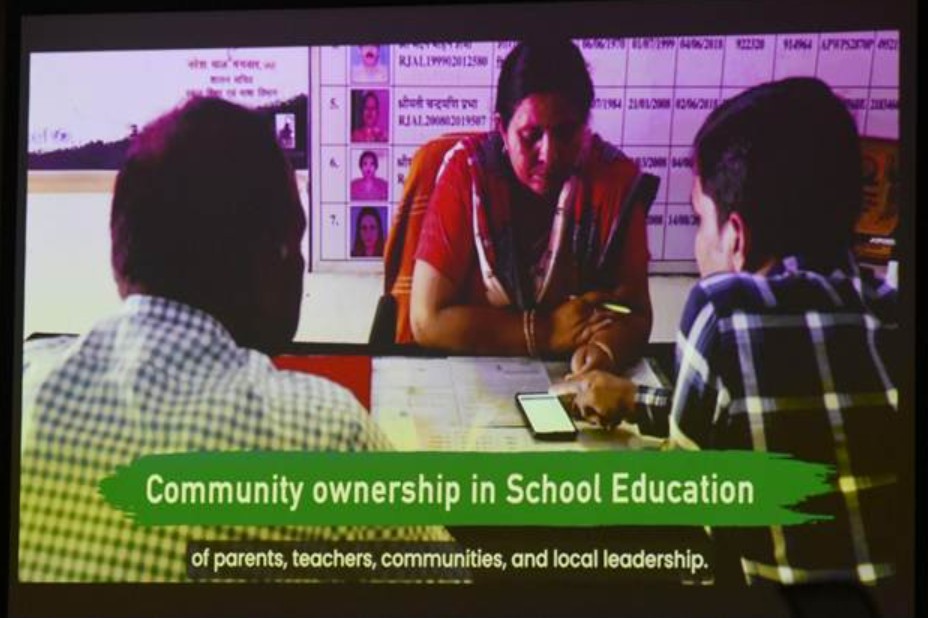
While the government envisions schools as “inclusive, community-owned, safe, and participative learning spaces,” critics caution that the push for uniformity risks overlooking India’s pluralistic educational landscape.
Legal experts point out that minority institutions have historically enjoyed protection from excessive state interference, particularly in matters of administration. “If implemented without exemptions or clarifications, these guidelines could trigger legal challenges,” a constitutional scholar noted, adding that the balance between accountability and autonomy must be carefully maintained.
As schools across the country begin preparations to implement the new norms in the coming academic session, minority institutions are expected to seek clarity—and possibly redress—on provisions they view as encroaching upon their rights and identity.







© 2026 CATHOLIC CONNECT POWERED BY ATCONLINE LLP