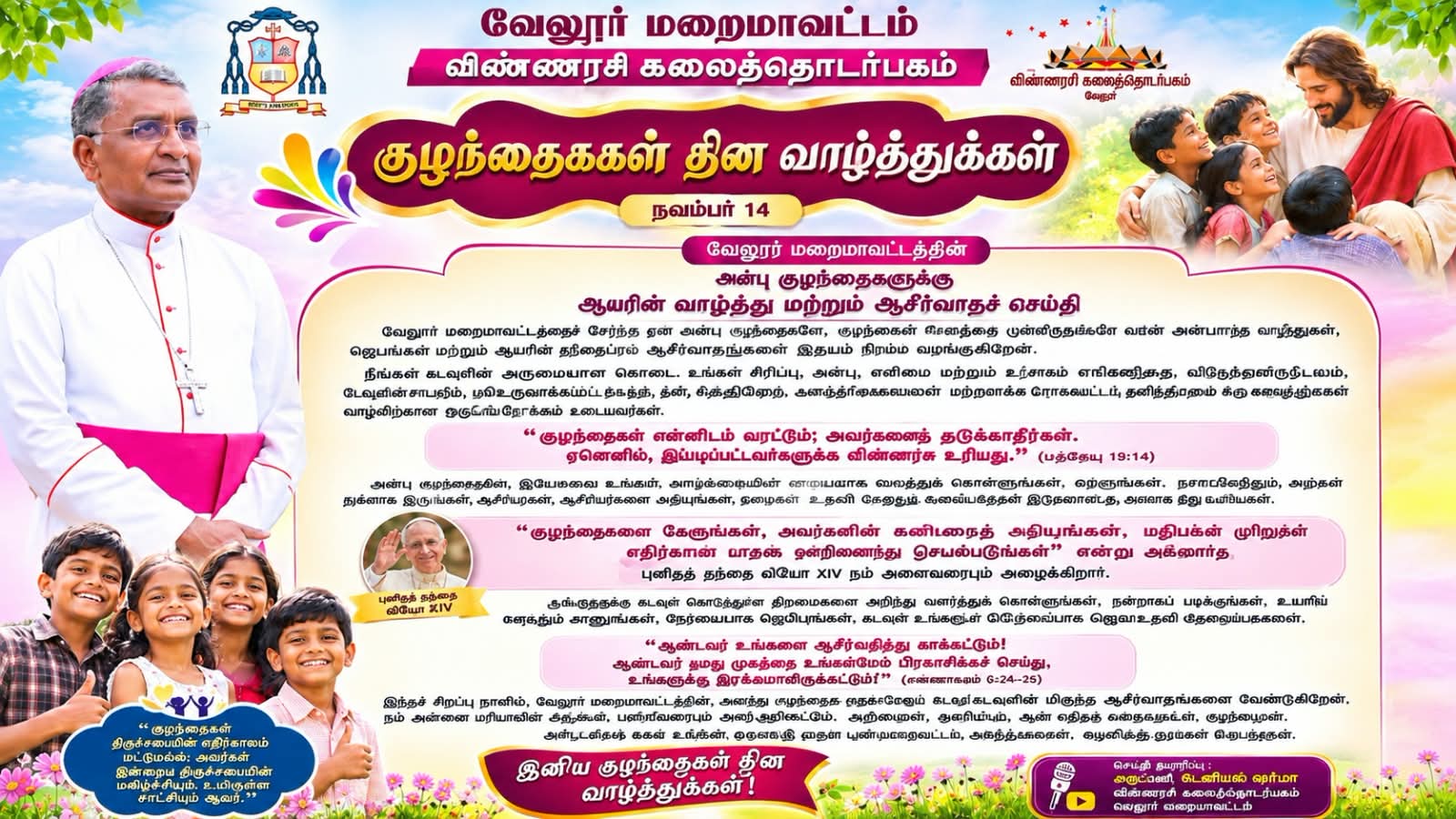
- 14 November, 2026
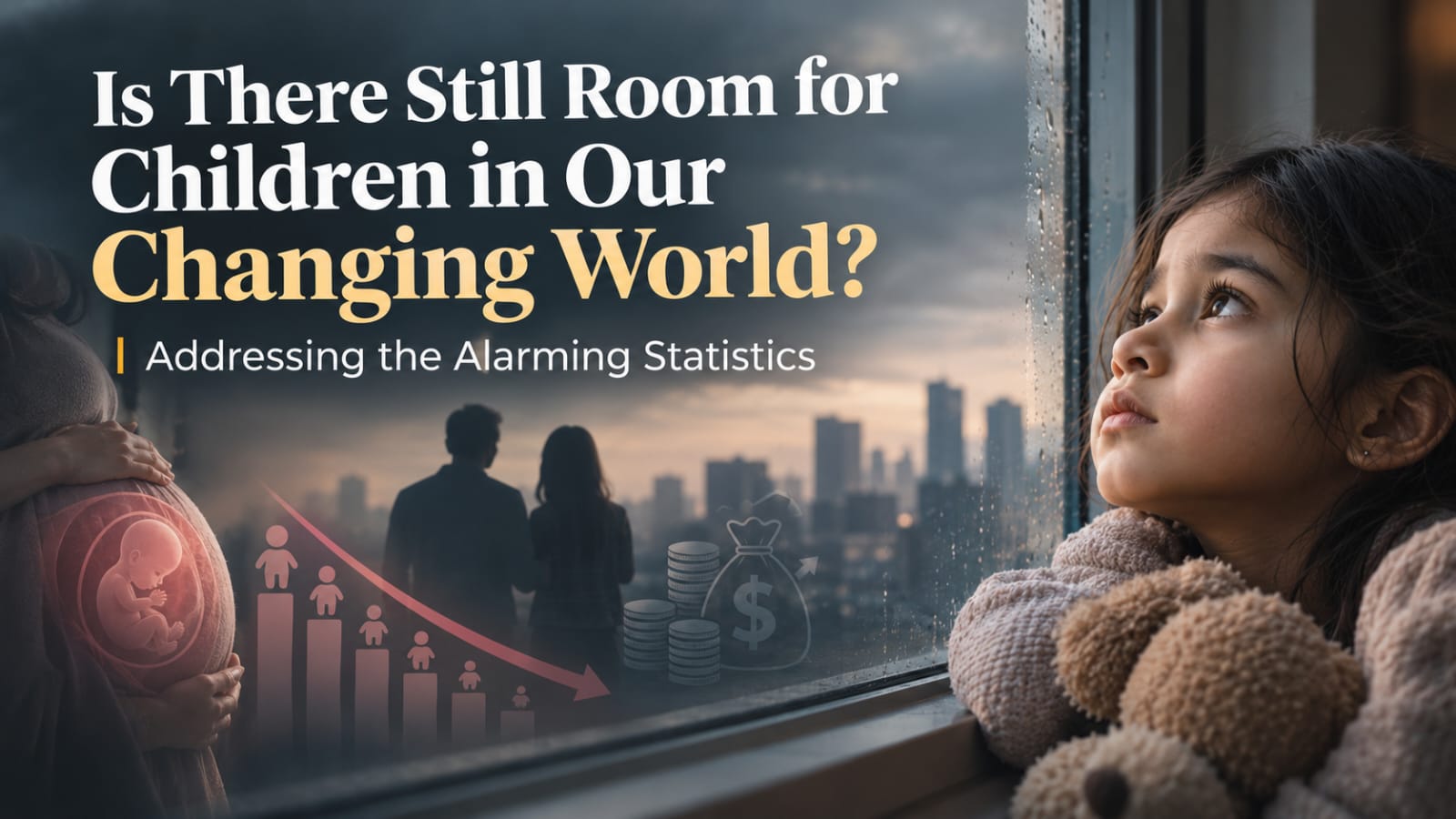
Nov 14, 2026: Children are often described as the future of society. Yet, around the world, fewer children are being born, millions of pregnancies end in abortion, and an increasing number of people feel unable to have the families they once hoped for. These trends raise an uncomfortable but important question: are we making enough room for children in the world we are creating?


According to the World Health Organization (WHO), approximately **73 million induced abortions take place worldwide every year**. At the same time, global fertility rates have fallen considerably. The average number of births per woman has dropped from around five in the 1960s to approximately 2.2 in 2024. In India, the fertility rate has fallen to around 2.0, below the replacement level of 2.1.
These figures do not tell the whole story, nor do they mean that people have stopped valuing children. But they point towards changing circumstances, difficult decisions and growing challenges surrounding parenthood.
When Having Children Becomes a Difficult Choice
For many couples, the decision to have children is no longer shaped by desire alone. Financial insecurity, rising living costs, housing difficulties, demanding work schedules and the increasing cost of childcare have made raising a family more challenging.
A 2025 UNFPA report highlighted the scale of this concern. Its survey across 14 countries found that one in five respondents expected not to have the number of children they wanted. In India, 38% of respondents identified financial limitations as a barrier to having their desired number of children. Housing difficulties, job insecurity and a lack of affordable childcare were also among the concerns reported.
Behind these numbers are people who may want children but feel uncertain about whether they can provide them with a secure future. For some, parenthood is postponed; for others, it becomes a possibility they eventually give up.
The Pressure to Have It All
Modern life offers opportunities that previous generations could scarcely imagine. Education, professional growth, financial independence and personal aspirations have become important priorities. These are not wrong in themselves. However, the pressure to achieve stability before starting a family can sometimes make parenthood seem like something that must wait until every other aspect of life is settled.
Women, in particular, often face difficult choices between professional responsibilities and the demands of raising children. In many families, caregiving responsibilities are still unequally shared, leaving women to carry much of the burden.
The problem is not ambition or career growth. It is a society that often fails to provide families with the support they need to balance both.
The Reality Behind Abortion Statistics
The WHO estimates that around 61% of unintended pregnancies worldwide end in abortion. In India, a landmark study published in *The Lancet Global Health* estimated that 15.6 million abortions took place in 2015. Although this is an older estimate, it offers an indication of the scale of the issue.
Behind every statistic is a human situation. Unplanned pregnancies, financial hardship, health concerns, lack of support and difficult personal circumstances can influence decisions. These realities call for compassion, support and meaningful assistance for women and families.
For the Catholic Church, every human life possesses inherent dignity and deserves protection. The *Catechism of the Catholic Church* teaches that human life must be respected and protected absolutely from the moment of conception (CCC 2270). It also describes children as a gift from God and a great blessing for married couples (CCC 2373).
This understanding invites us to look beyond statistics and recognise the value of every human life, including the most vulnerable.
Making Room for the Gift of Life
Welcoming a child does not mean that couples must ignore financial realities, health concerns or genuine difficulties. Responsible parenthood involves discernment, preparation and mutual support. But it also invites us to reflect on whether the expectations we place on ourselves and the pressures created by society leave enough room for the unexpected gift of life.
In Matthew 6:25–34, Jesus reminds His followers not to be consumed by anxiety about tomorrow, encouraging them to trust in God's providence. This does not mean ignoring practical responsibilities. Rather, it reminds us that fear and uncertainty need not have the final word in our decisions.
As we mark Children's Day, perhaps the question is not simply how many children are being born, but what kind of world we are preparing for them. Are we creating families, communities and workplaces where children are welcomed, parents are supported and women do not have to face motherhood alone?
A society's progress should not be measured only by its economic achievements, technological advancements or professional opportunities, but also by how it values and protects its most vulnerable members.
A child is not an obstacle to our dreams, but a beautiful reminder of what love can make possible.
By Catholic Connect Reporter

© 2026 CATHOLIC CONNECT POWERED BY ATCONLINE LLP