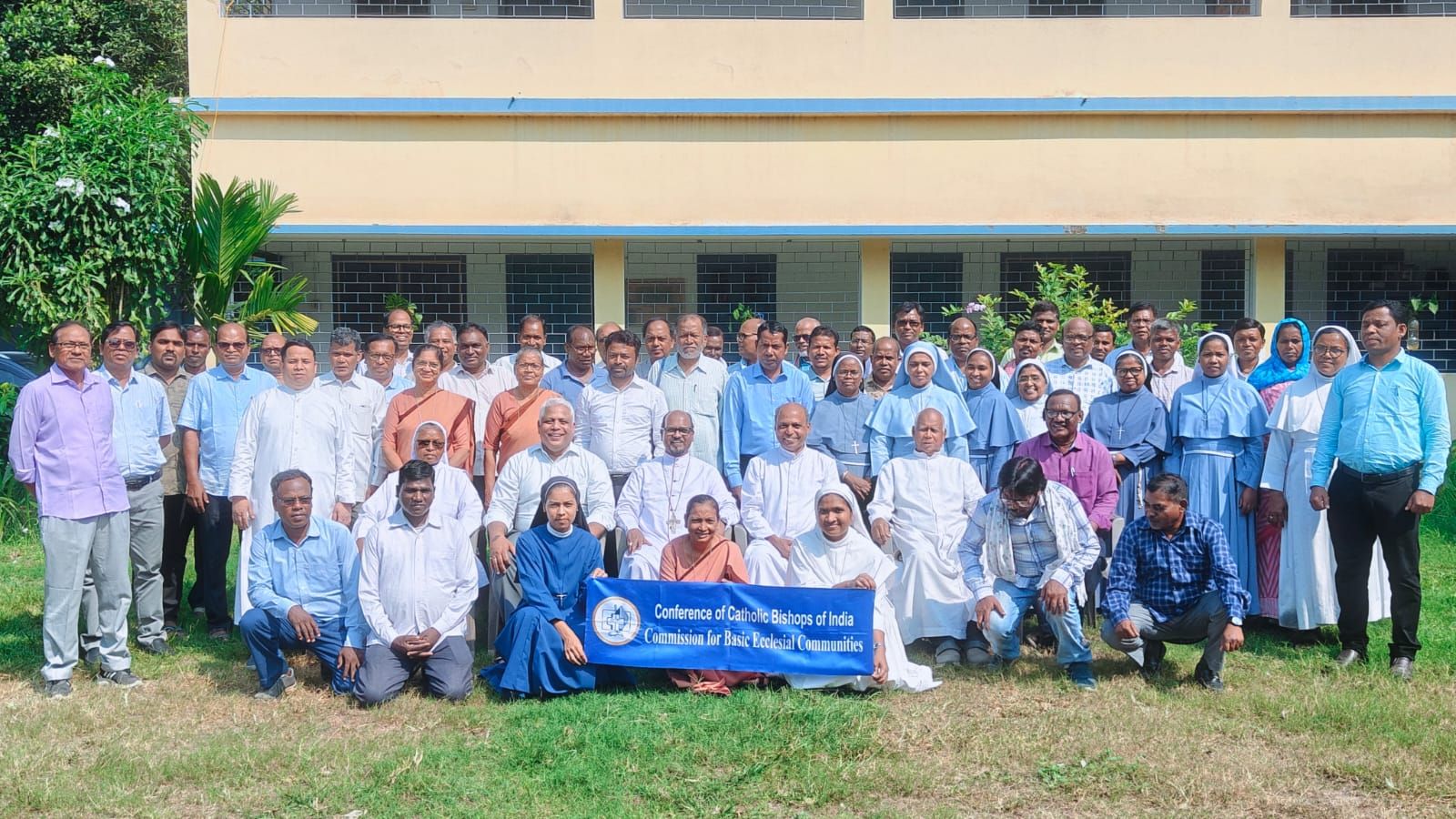
- 17 October, 2026
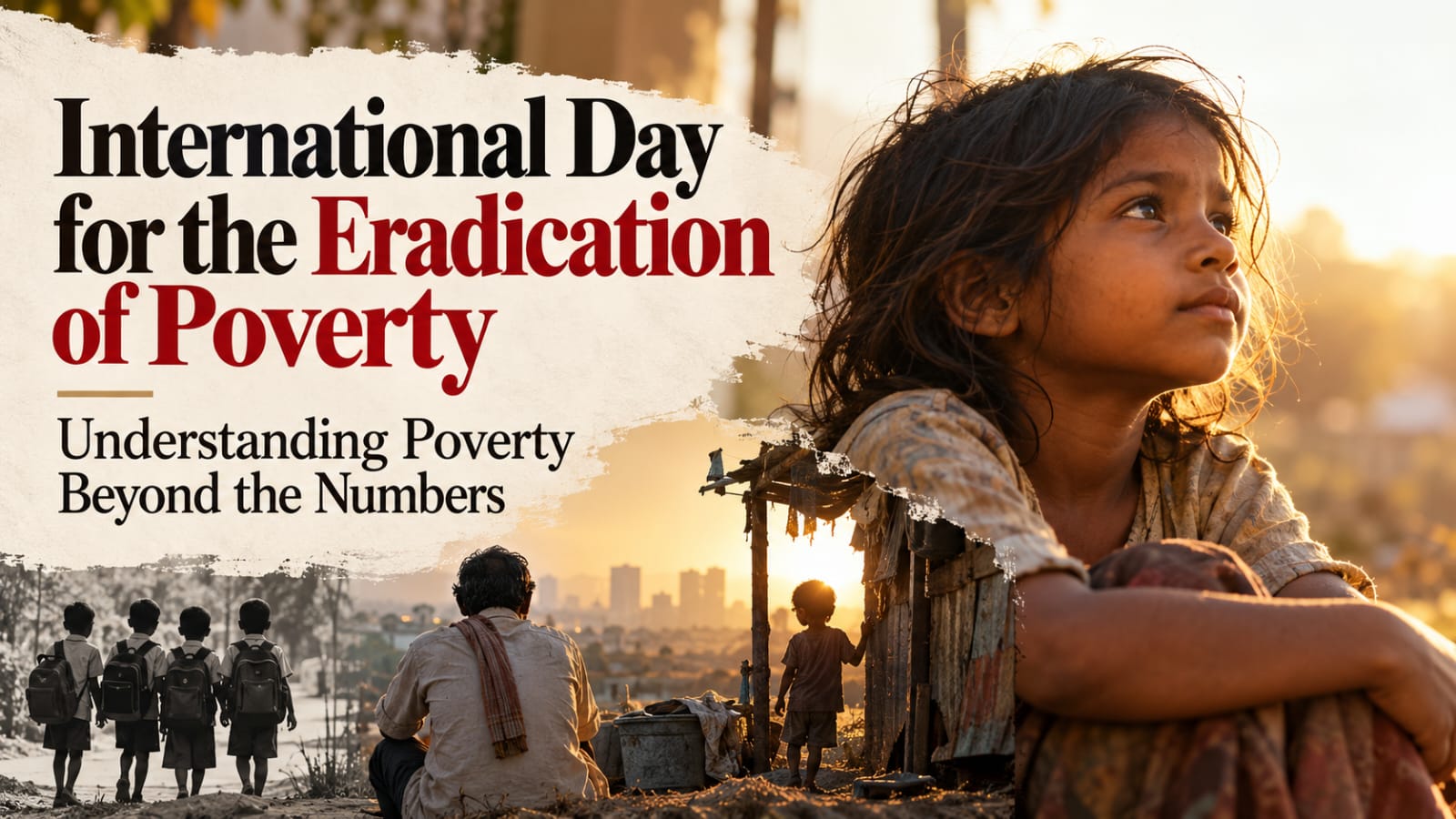
17 October, 2026: What does poverty look like? Is it a family struggling to find its next meal, a child unable to access quality education, or a person excluded from decisions that shape their future? Poverty extends far beyond income figures and economic reports. It affects human dignity, security and the ability to participate meaningfully in society.

Observed every year on October 17, the International Day for the Eradication of Poverty invites the world to look beyond statistics and recognise the many ways poverty shapes human lives.
Beyond Income and Statistics
Poverty manifests as chronic hunger that stunts physical and mental potential, inadequate housing without clean water or safety, and persistent unemployment that leaves families struggling to meet their basic needs. A lack of quality education can trap generations in cycles of hardship, limiting opportunities for a better future.
These challenges are interconnected. Poverty is not simply about lacking money or material goods; it can also prevent individuals and families from accessing essential services and opportunities needed to improve their circumstances.
Poverty and the Loss of Dignity
Beyond material deprivation, poverty often brings social exclusion. Families may find themselves isolated from community life, with little opportunity to express their concerns or participate in decisions that directly affect them. Their voices can remain unheard, deepening their vulnerability.
At its core, poverty is a profound wound to human dignity. It restricts people's ability to live securely, participate in society and shape their own futures. Recognising these realities is essential to understanding poverty as both an economic challenge and a question of human dignity.
Faith, Compassion and Shared Responsibility
Across faith traditions, care for people experiencing poverty is an important expression of compassion and social responsibility. From a Catholic perspective, Catholic Social Teaching affirms that every person possesses inherent dignity, having been created Imago Dei—in the image and likeness of God. The preferential option for the poor calls for particular concern for those experiencing poverty and vulnerability, reflecting the message of Matthew 25:40.
This concern finds expression through initiatives that address immediate needs and support long-term well-being. Organisations such as Caritas and Catholic Relief Services (CRS) provide emergency aid, sustainable agricultural training and clean water projects to impoverished communities worldwide.
At the local level, parish ministries and the Society of St Vincent de Paul help families pay rent, access food pantries and obtain job training. Church-run schools, dispensaries and rural clinics also serve remote communities, providing access to essential services and opportunities for greater self-reliance.
Restoring Hope and Human Dignity
Addressing hunger, inadequate housing, unemployment and social isolation requires sustained effort and cooperation. People experiencing poverty must be recognised not merely as recipients of assistance, but as individuals with voices, abilities and the right to participate in shaping their futures.
The International Day for the Eradication of Poverty invites us to move beyond statistics, recognise the dignity of every person and work together towards a world where everyone has the opportunity to live with dignity and hope.
By Catholic Connect Reporter
© 2026 CATHOLIC CONNECT POWERED BY ATCONLINE LLP