- 21 November, 2026
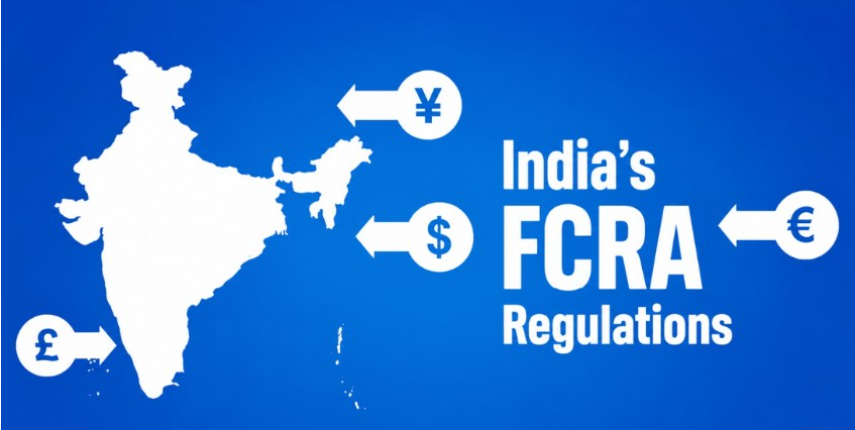
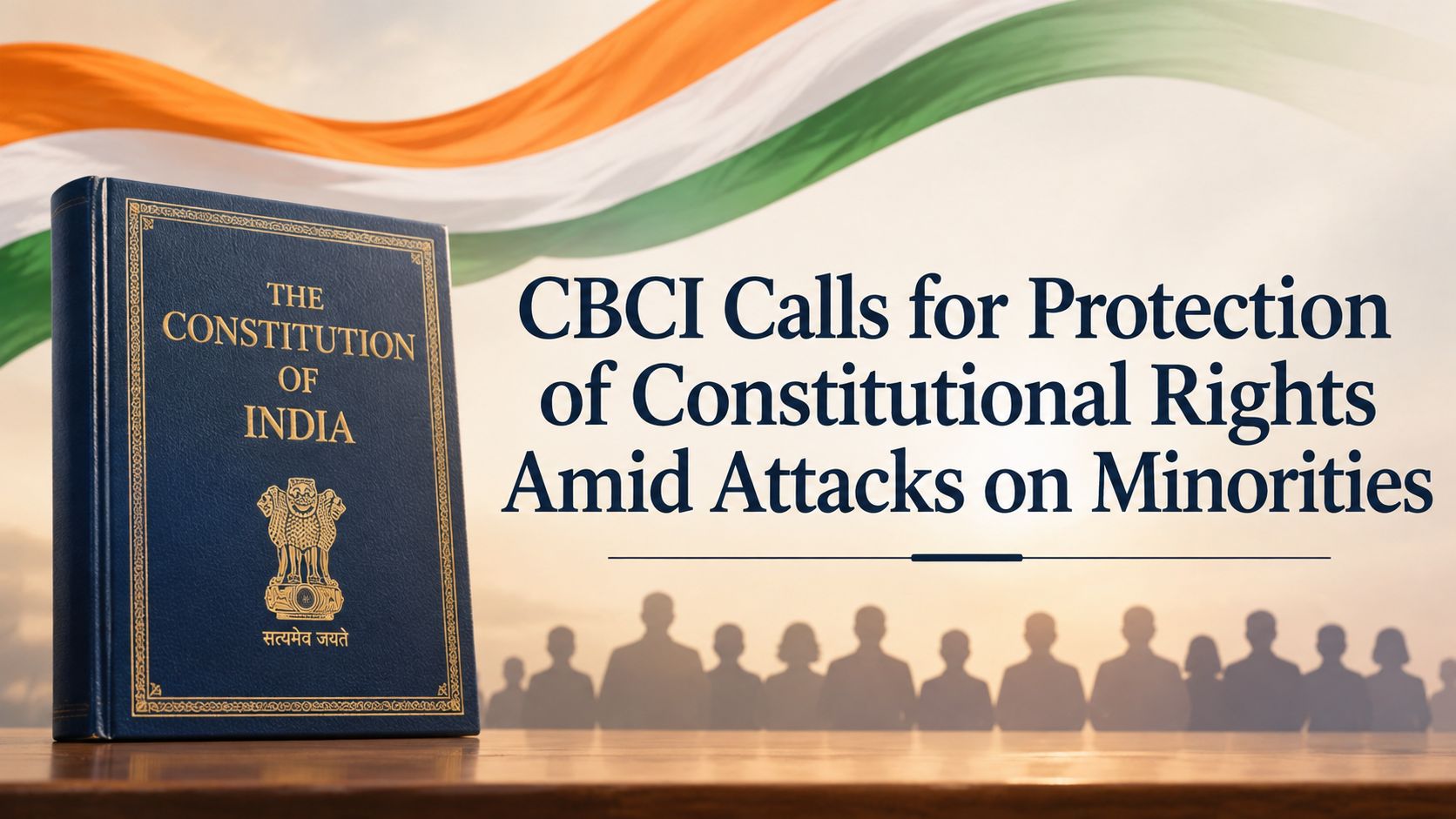
NEW DELHI, November 21, 2026: Christian organisations from Northeast India have urged a Joint Parliamentary Committee (JPC) to scrap the proposed Foreign Contribution (Regulation) Amendment Bill, 2026, expressing concern that its provisions could seriously affect their charitable, educational and social services, particularly in remote and underserved communities across the country.


The organisations presented their objections before the parliamentary panel, arguing that the proposed legislation could jeopardise the work of churches, religious institutions and non-governmental organisations (NGOs) that depend on foreign contributions to support vulnerable communities.
Christian Organisations Raise Concerns
Among those who appeared before the committee were representatives of the North East Catholic Research Forum and the Council of Baptist Churches in North East India. They urged the panel to reconsider the proposed amendments and sought the withdrawal of the Bill.
The Joint Parliamentary Committee, chaired by BJP MP Sanjay Jaiswal, also heard submissions from chartered accountants, law academics, Hindu religious organisations and other stakeholders. While several chartered accountants and Hindu religious groups supported the proposed legislation, Christian representatives expressed strong reservations.
Objections to Clause 16A
A major concern raised during the proceedings centred on Clause 16A of the proposed Bill. The provision states that assets created using foreign contributions would vest with a government-appointed designated authority if an organisation's FCRA registration is cancelled, surrendered or expires.
A senior Supreme Court lawyer, while not opposing the entire proposed legislation, urged the committee to exclude Clause 16A, describing it as 'highly arbitrary'.
The provision has raised concerns among religious and charitable organisations about the future of institutions, properties and facilities established through years of charitable contributions. Christian organisations fear that its implementation could undermine their ability to provide essential services to people in geographically isolated regions.
Opposition Members Question Committee Transparency
Meanwhile, opposition members of the parliamentary committee have raised concerns about the transparency of its proceedings and the manner in which stakeholder representations are being handled.
Rajya Sabha MP P. Wilson wrote to committee chairman Sanjay Jaiswal, seeking details of representations and objections received between 22 September and 18 November. He listed 12 submissions from organisations, including religious institutions, charitable trusts and NGOs from Andhra Pradesh and Telangana.
Wilson alleged that several organisations had neither received acknowledgements nor been given opportunities to present their concerns before the committee. He also questioned the criteria used to select witnesses and requested that all representations be circulated among committee members.
Dispute Over Recording of Proceedings
Several opposition members have separately objected to the recording of committee meetings, alleging that questions raised by members and responses provided by witnesses were not adequately reflected in the official minutes.
The letter raising these concerns was signed by A. Raja, Capt Viriato Fernandes, P. Wilson, Anto Antony and E.T. Mohammed Basheer, among others.
Responding to the allegations, Jaiswal rejected claims that the minutes had not been made available, stating that members could access them through the parliamentary portal. He also assured them that verbatim records would be provided as requested, while accusing the opposition of attempting to delay the proceedings.
A Crucial Debate for Charitable Organisations
The proposed FCRA amendments have prompted significant debate over the regulation of foreign contributions and the autonomy of organisations working in the charitable and religious sectors.
For Christian organisations in Northeast India, the central concern remains the protection of their ability to serve vulnerable communities through education, healthcare and social welfare initiatives.
The parliamentary committee's recommendations will therefore be closely watched by religious institutions and civil society organisations across the country
Courtesy : The Print


© 2026 CATHOLIC CONNECT POWERED BY ATCONLINE LLP