- 23 September, 2026

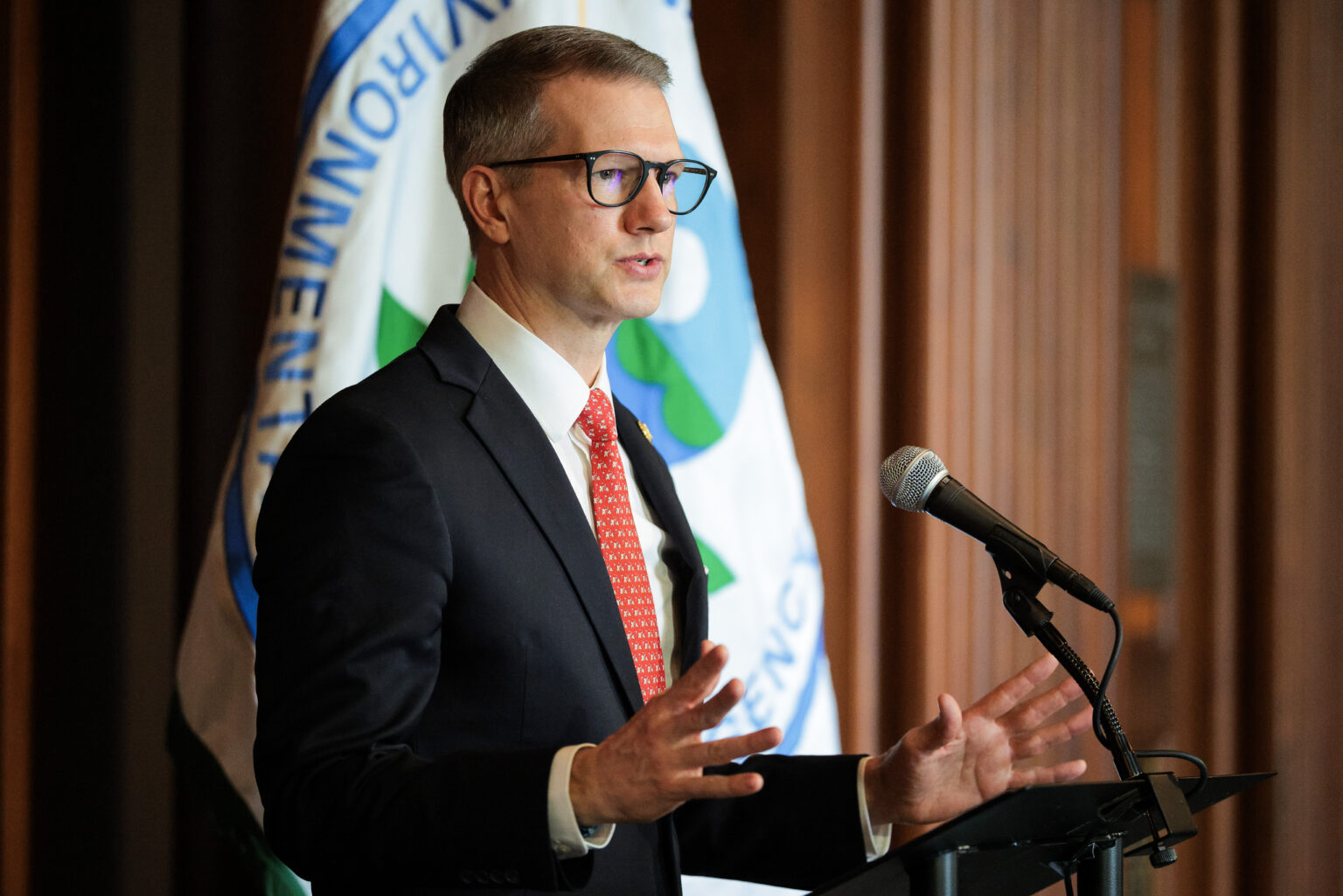
Washington/New Delhi, August 5, 2026: A proposed amendment to India’s Foreign Contribution (Regulation) Act has drawn criticism from US Congressman Riley Moore, who has warned that the legislation could affect India-US relations and described the proposed changes as “a clear attack against Christians.”


Moore, a Republican representative from West Virginia, raised concerns over provisions in the Foreign Contribution (Regulation) Amendment Bill, 2026, which is being debated during Parliament’s Monsoon Session. He said the proposed law could give the Indian government greater control over churches and religious charities receiving foreign contributions.
In a post on X, Moore referred to the long history of Christianity in India and said Christians had been present in the country since the arrival of St Thomas the Apostle on the Malabar Coast.

He then criticised the proposed amendments, arguing that they could permit government intervention in the management of churches and religious charities.
“This is a clear attack against Christians,” Moore said, adding that if the Bill proceeds in its current form, it could become “a point of major concern” in the bilateral relationship between India and the United States.
Proposed powers raise concern
The proposed legislation seeks to amend the Foreign Contribution (Regulation) Act, 2010, which regulates the receipt and utilisation of foreign donations by non-governmental organisations, charitable trusts, educational institutions, religious bodies and other associations.
One of the most contentious provisions involves the proposed creation of a Designated Authority appointed by the Central Government. According to the Bill's background note, the authority could take over the management of foreign contributions and assets created from such funds if an organisation's FCRA registration is cancelled, surrendered or not renewed.
The proposed amendments also introduce a minimum utilisation requirement for renewal of FCRA registration. Organisations that have received or used less than ₹10 lakh in foreign contributions during the preceding two financial years could become ineligible for renewal.
Other provisions seek tighter controls over the transfer of foreign contributions between organisations, stricter timelines for receiving and utilising overseas funds, and expanded disclosure requirements covering projects, activities, websites and social media accounts.
Churches and charities express apprehension
The proposed powers of the Designated Authority have emerged as a major point of contention among opposition parties, civil society groups, non-governmental organisations and religious institutions.
Christian organisations have expressed concern that schools, hospitals, social service centres and other institutions established with foreign contributions over several decades could potentially come under government control if their FCRA registrations are cancelled, surrendered or not renewed.
The issue is particularly significant in Kerala, where a number of Christian institutions operate large educational and healthcare networks and have historically received overseas contributions.
According to the background note accompanying the Bill, India had 14,449 active FCRA registrations as of July 15, 2026. A further 22,498 registrations had been cancelled and 15,212 had expired. Between 2019 and 2022, organisations registered under the FCRA received foreign contributions totalling ₹55,741 crore.
Government cites transparency and accountability
The Indian government has defended the proposed amendments as measures aimed at strengthening transparency, accountability and oversight in the use of foreign funds.
The legislation comes amid years of government scrutiny of organisations receiving foreign contributions, with FCRA regulations requiring prior registration with the Ministry of Home Affairs and periodic renewal.
Moore’s intervention, however, places the proposed amendments in a broader international context, particularly concerning religious freedom and the treatment of Christian institutions.
His comments could add another dimension to the ongoing domestic debate, as Parliament considers the extent of government oversight over foreign-funded organisations and the potential consequences for religious charities and institutions.
Moore has previously made protection of Christians a prominent part of his congressional work. His office has supported legislative and policy initiatives concerning the persecution of Christians, including efforts focused on religious freedom and Christian persecution in Nigeria.
Courtesy: India Today








© 2026 CATHOLIC CONNECT POWERED BY ATCONLINE LLP