- 05 November, 2026
VATICAN CITY, November 5, 2026: The Laudato Si’ Action Platform has launched a new Digital Atlas to map ecological initiatives undertaken by Catholic institutions worldwide, as its fifth annual report highlights growing participation and efforts to turn the Church’s environmental commitments into concrete action.

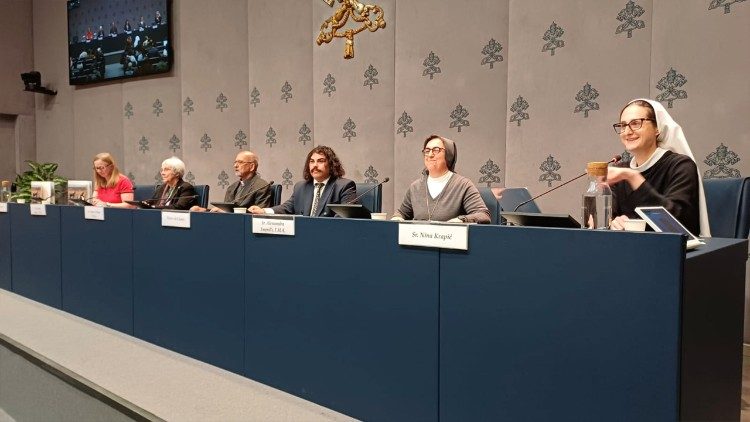
The Digital Atlas was unveiled during a press conference at the Holy See Press Office on Wednesday, which also reviewed the Platform’s achievements over its first five years.
Launched in 2021 following the Laudato Si’ Year announced by Pope Francis in 2020, the Platform provides a digital space for families, parishes, schools, religious congregations and dioceses to develop ecological plans, undertake practical initiatives and monitor their progress.
According to the report, the Platform had registered 13,652 accounts as of September 30, 2026. Registrations reached 2,081 by September this year, already exceeding the totals recorded in each of the previous three full years. Approximately 53 per cent of religious congregations worldwide are estimated to be registered on the Platform.
Sr. Alessandra Smerilli, Prefect of the Dicastery for Promoting Integral Human Development, stressed that Laudato Si’ was intended not merely as a document to be read but as an invitation to personal and communal ecological conversion.
“An invitation is not enough: those who ask for a commitment must also accompany those who undertake it,” she said, highlighting the need to ensure that communities with fewer resources can also participate.
Digital Atlas and future priorities
Presenting the new Digital Atlas, Alonso de Llanes, Programme Director of the Laudato Si’ Action Platform, explained that the interactive tool would connect Catholic institutions’ ecological initiatives with geographical and environmental information.
Users will be able to explore participating institutions by country or diocese and, where permission is granted, access their ecological plans and experiences. The Atlas will also incorporate environmental data on deforestation, emissions and exposure to hurricanes.
The Platform's next priorities include improving accessibility, strengthening the use of data and developing a global network of Digital Missionaries. Printed resources will also be made available to communities with limited internet access, while a new Learning Hub will provide practical resources and opportunities to share experiences.
The Platform is also exploring artificial intelligence to help participants identify relevant resources and possible ecological actions. However, de Llanes cautioned against treating technology as a substitute for human judgement.
“Artificial intelligence can help us find possible answers. It cannot decide which answers are right for a community,” he said.
He also emphasised the importance of measuring actual environmental impact rather than simply counting activities.
“An enrolment is a beginning, not an achievement. A plan is a commitment, not yet a result,” he said.
Looking ahead to 2031, the Platform aims to reach 50,000 participants, 20,000 Catholic institutions and 1,000 represented dioceses.
Ecological action in local communities
Bishop Allwyn D’Silva, Auxiliary Bishop Emeritus of Bombay, shared ecological initiatives undertaken in the Archdiocese of Bombay, including a Lenten “carbon fast” encouraging Catholics to reflect on their consumption of electricity and water and their use of plastic.
Highlighting Mumbai’s environmental challenges, including flooding, mangrove loss and rising temperatures, he said, “Care for creation is part of our pastoral responsibility.”
He also pointed to initiatives such as rainwater harvesting, solar energy adoption and reducing disposable plastics, stressing the importance of sustained institutional commitment.
“A carbon fast lasts forty days. But the decisions our institutions make can shape people's lives for decades,” he said.
Meanwhile, Sr. Roxanne Schares, Executive Secretary of the International Union of Superiors General (UISG), highlighted the contribution of religious sisters to ecological initiatives, including sustainable agriculture projects in South Sudan and efforts to protect threatened wetlands in South Korea.
Lorna Gold, Executive Director of the Laudato Si’ Movement, called for greater institutional commitment and equitable access to resources, particularly for communities in the Global South.
“The pace of ecological destruction is not slowing to match the pace of institutional change,” she said, urging the Church to ensure that ecological conversion influences institutional decisions and everyday life.
As the Platform enters its next phase, de Llanes summed up its vision: “We have spent five years bringing communities to the Platform. Now we want the Platform to bring communities to one another.”
Courtesy: Vatican News

© 2026 CATHOLIC CONNECT POWERED BY ATCONLINE LLP