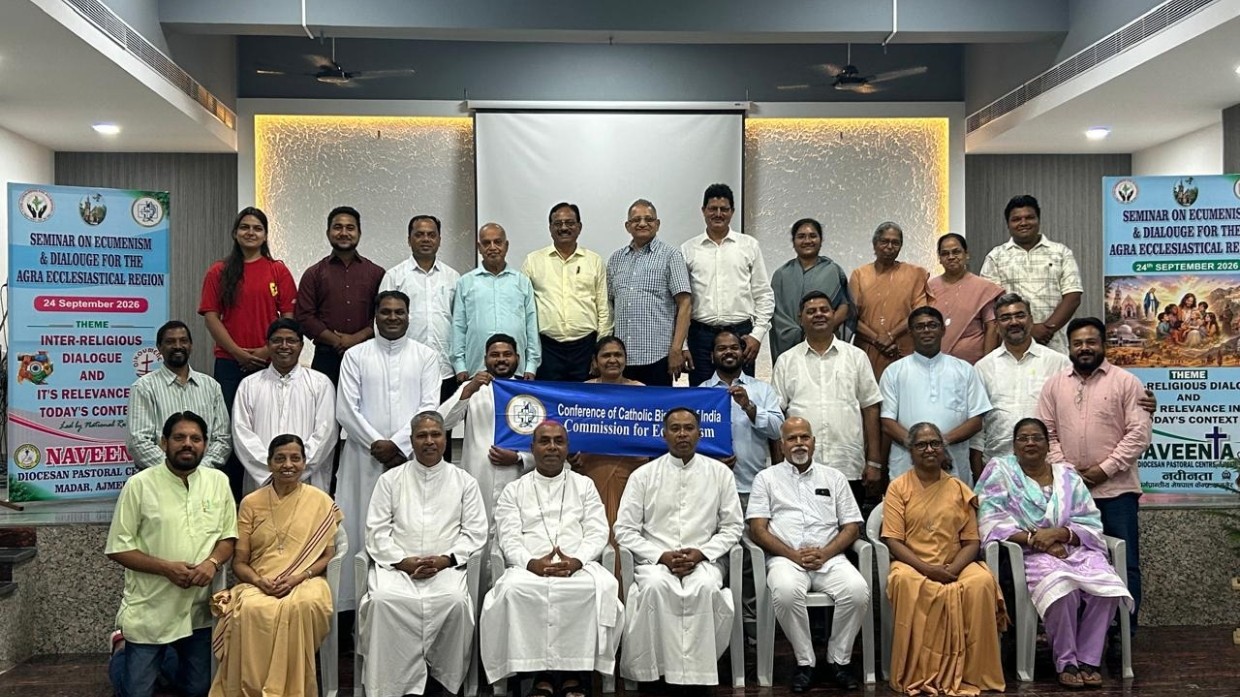
- 25 September, 2026

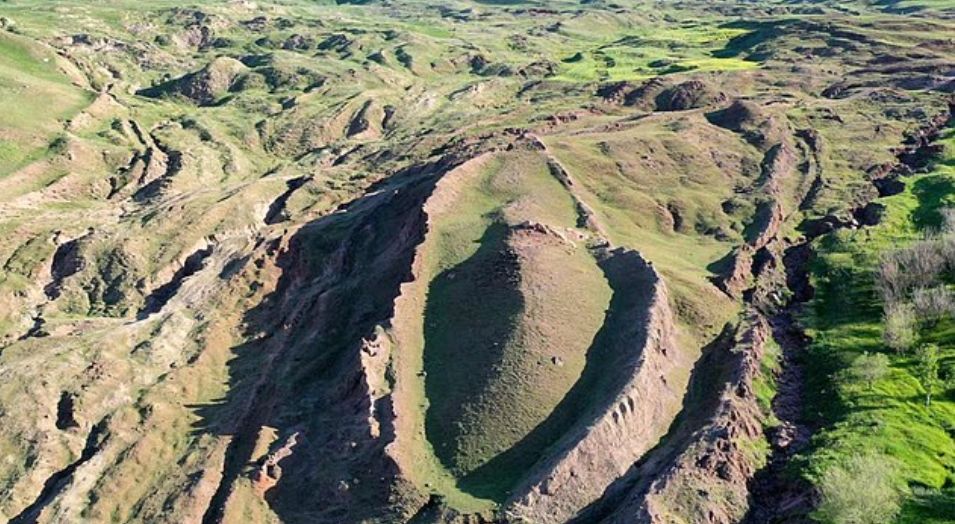
Turkey, September 24, 2026: A decades-old search for the biblical Ark of Noah has entered a new phase as an international research team begins drilling into a mysterious, boat-shaped formation in eastern Turkey.


The Durupınar Formation, located about 18 miles south of Mount Ararat, has attracted attention because of its elongated shape and dimensions, which some researchers believe resemble the vessel described in the Book of Genesis.
According to the biblical account, Noah built the Ark to survive a catastrophic flood, preserving his family and representatives of the animal world. The formation has therefore become a focus of interest for researchers seeking physical evidence connected with the ancient account.

Researchers involved in the latest investigation say advanced radar surveys have detected a series of unusual features beneath the surface.
The surveys reportedly identified linear structures, right-angle intersections, layered boundaries and cavity-like spaces at different depths. Some of the anomalies have been interpreted by the team as possible chambers, corridors and tunnels.
One particularly striking feature is a thick underground layer that appears to divide into three sections. Researchers have compared this finding with the biblical description of the Ark as having three decks.
However, radar images do not provide photographs of actual rooms or corridors. They show differences in underground materials and boundaries, meaning the anomalies still require physical investigation before their origin can be established.
The latest phase is significant because researchers are moving from remote sensing towards the collection of physical samples.
Core drilling has reportedly identified a layer containing organic material, which the team hopes could include traces of decayed wood. Samples will need to be examined and suitable organic material isolated before radiocarbon dating can determine its age.
Researchers have not yet established that the material is wood, nor has anything recovered from the site been scientifically dated to the proposed biblical timeframe of around 4,300 years ago.
Andrew Jones, founder of Noah’s Ark Scans, described the latest findings as a compelling new line of evidence, while acknowledging that they do not definitively prove the formation is Noah’s Ark.
The investigation has also identified pottery outside the formation dating from the Chalcolithic, or Copper Age, through to the Iron Age.
The pottery indicates that people occupied or visited the surrounding mountainside during different periods of ancient history.
Researchers say the discovery could help identify areas requiring further archaeological investigation.
However, the pottery itself cannot establish that the formation was the Ark or that those who left the artefacts were connected with Noah or his family.
The Durupınar Formation was formally identified in 1959 after Turkish Army Captain İlhan Durupınar noticed its distinctive outline in aerial survey photographs. The site had reportedly attracted local attention earlier following heavy rain and earthquakes.
The formation has divided investigators for decades. Some researchers argue that its shape and new underground readings warrant further study, while geologists have generally favoured a natural geological explanation.
For Christians, the story of Noah remains an important biblical account of judgement, obedience, salvation and God's covenant with humanity. Yet whether the Durupınar Formation is connected to that story remains an open question.
The new drilling programme could provide valuable physical evidence for researchers to examine. For now, however, the claim that Turkey's mysterious formation is the remains of Noah's Ark remains unproven.
Courtesy : Daily Mail
Picture Courtesy : Daily Mail








© 2026 CATHOLIC CONNECT POWERED BY ATCONLINE LLP