
image

Heat Wave in India (April–June 2026): Causes, Risks, and Safety Measures

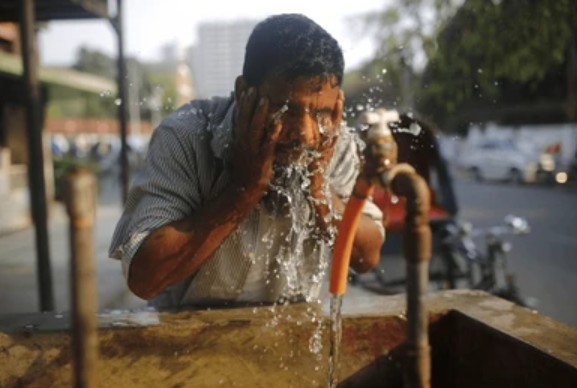
New Delhi , April 16, 2026: As India moves into the summer of 2026, large parts of the country are already witnessing unusually high temperatures. Several regions, including Madhya Pradesh, Maharashtra, Odisha, and Chhattisgarh, have recorded temperatures ranging between 43°C and 45°C as early as mid-April. This early onset of extreme heat has raised concerns about the intensity and frequency of heatwaves in the coming months.



Current Heat Wave Situation

According to the India Meteorological Department (IMD), India is likely to experience above-normal heatwave conditions between April and June. However, contrary to viral messages circulating online, there is no official confirmation of a continuous heatwave lasting from April 19 to May 31.

Instead, the IMD has indicated that certain regions may experience between two to eight heatwave days during this period. States such as Rajasthan, Gujarat, Maharashtra, Bihar, Jharkhand, West Bengal, Odisha, and Telangana are expected to be particularly vulnerable.


Reasons Behind Increasing Heat Waves

The increasing intensity of heatwaves in recent years can be attributed to several factors:

  • Climate Change: Rising global temperatures are leading to more frequent and intense heatwaves.
  • Early Summer Onset: Higher temperatures are arriving earlier in the year, prolonging heat exposure.
  • Weak Pre-Monsoon Activity: Reduced rainfall and thunderstorms limit natural cooling.
  • Urban Heat Island Effect: Cities trap heat due to concrete infrastructure and reduced greenery.
  • Global Weather Patterns: Conditions similar to El Niño can suppress rainfall and increase temperatures.


Tips to Stay Safe and Hydrated

In extreme heat conditions, taking preventive measures is essential:

  • Drink water regularly, even if you are not thirsty
  • Include fluids like coconut water, ORS, and lemon water
  • Wear light-colored, loose cotton clothing
  • Eat light meals and include water-rich fruits and vegetables e.g.: watermelon and cucumber
  • Avoid stepping out between 12 PM and 4 PM


Dos and Don’ts During Heat Waves

Dos

  • Stay indoors during peak heat hours
  • Keep your home cool using curtains and proper ventilation
  • Use fans, coolers, or air conditioning if available
  • Check regularly on elderly individuals and children
  • Carry water when going outdoors


Don’ts

  • Avoid alcohol, caffeine, and sugary drinks
  • Do not leave children or pets in parked vehicles
  • Avoid heavy physical activity in direct sunlight
  • Do not skip meals, as it can weaken the body


Important Instructions to Follow

It is important to stay updated with official advisories from the India Meteorological Department and local authorities.

  • Monitor daily weather updates and heatwave alerts
  • Follow any changes in school or work timings
  • Seek medical help if you experience dizziness, nausea, or rapid heartbeat


Additional Precautions


At Home

  • Keep rooms well-ventilated
  • Use cooling methods such as fans, air coolers, or damp curtains


For Outdoor Workers

  • Take frequent breaks in shaded areas
  • Stay hydrated throughout the day


For Vulnerable Groups


Extra care should be given to:

  • Elderly individuals
  • Children
  • People with existing health conditions


Recognizing Heat-Related Illness


Understanding warning signs can help prevent serious health risks. Symptoms include:

  • High body temperature
  • Dry or hot skin
  • Confusion or fainting

Heatstroke is a medical emergency and requires immediate attention.


Conclusion

In conclusion, while India is expected to face an unusually hot summer with multiple heatwave events, the situation is not as extreme as some viral claims suggest. Awareness, preparedness, and adherence to official guidelines are key to staying safe during this period. Relying on verified information from trusted sources like the IMD can help individuals make informed decisions and protect themselves from the adverse effects of extreme heat.


By Catholic Connect Reporter

© 2026 CATHOLIC CONNECT POWERED BY ATCONLINE LLP