- 21 October, 2026
PANAJI, September 24, 2026: Goa, Maharashtra and Karnataka will conduct a joint cyclone mock exercise on October 1 to test inter-state coordination, emergency response systems and preparedness for a severe cyclone and multiple associated disasters.



Coordinated by the National Disaster Management Authority (NDMA), the exercise will cover 24 locations across the three states, including sites in North Goa, South Goa and Kushavati. The drill will bring together government departments, emergency services and other stakeholders to assess their response to a complex disaster scenario.
Preparatory activities will begin with an Orientation and Coordination Conference, followed by a state-level exercise at the Goa State Secretariat on September 28. Site surveys and rehearsals will be held on September 29 and 30.
District Magistrates of North Goa, South Goa and Kushavati have reviewed preparedness with line departments and other stakeholders, focusing on response mechanisms, available resources and arrangements for handling multiple emergencies simultaneously.
The simulated scenario will involve a severe cyclone affecting coastal, creek and riverine areas, with a storm surge of up to three metres and 175–200 mm of rainfall over 24 to 36 hours.
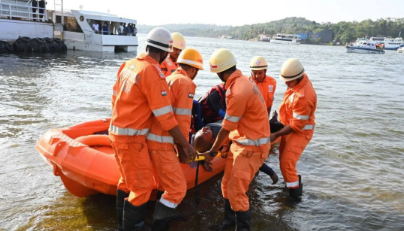
The exercise will also simulate secondary emergencies, including road blockages caused by heavy rainfall, rescue operations involving fishermen caught in rough seas, fuel leakage and fire, and drowning incidents at waterfalls.
A Unified Command will be established at the State Emergency Operations Centre (SEOC), District Emergency Operations Centres (DEOCs) and designated exercise sites. The command structure will bring together district administrations, police, fire and emergency services, medical agencies, armed forces, Central Armed Police Forces, industries and critical infrastructure operators.
The drill will test key Emergency Support Functions, including search and rescue, communications, transportation, firefighting, public works, medical services, water and sanitation, energy, public safety, emergency shelters, critical infrastructure and logistics.
The exercise is expected to help authorities identify gaps in preparedness, improve communication and resource mobilisation, and strengthen coordination among neighbouring states during cyclone-related emergencies.
Courtesy : The Goan

© 2026 CATHOLIC CONNECT POWERED BY ATCONLINE LLP