- 05 November, 2026

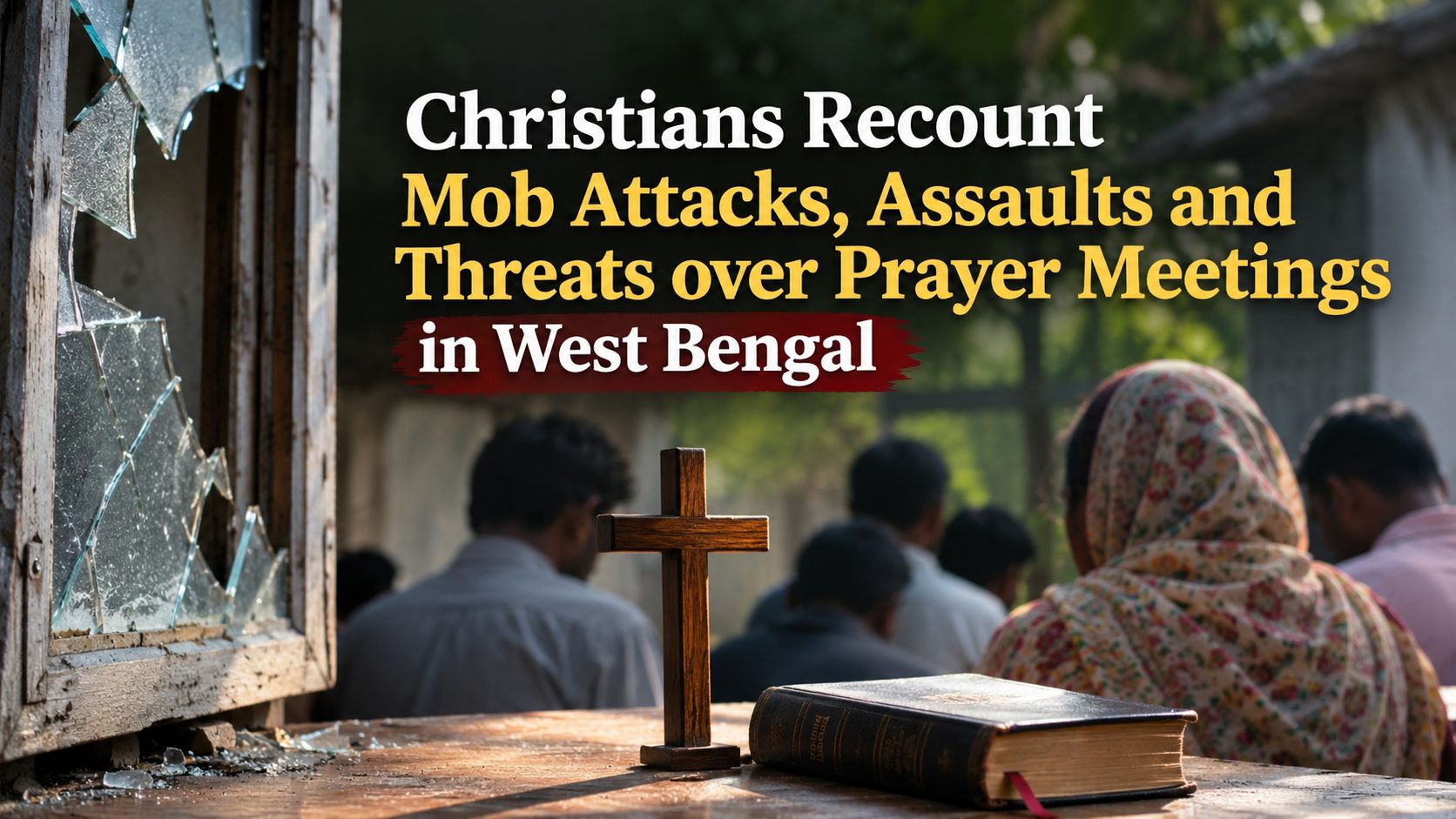
KOLKATA, Nov 5, 2026: More than a dozen Christians from different districts of West Bengal have recounted incidents of mob violence, physical assaults, vandalism and intimidation targeting prayer gatherings, raising concerns over growing hostility towards Christian communities in the State.


The survivors, including women and clergy, shared their experiences at a People’s Tribunal on Christian Persecution in West Bengal, held at the Muslim Institute in Kolkata on November 2. The tribunal was organised by Karwan-e-Mohabbat, Sabar Institute and Aamra Ek Sachetan Prayas.
Several participants said attacks on Christian prayer meetings had increased since the Bharatiya Janata Party (BJP) came to power in the State in May. Others recalled facing hostility even before the change of government.
A woman from Keshpur in Paschim Medinipur district said a mob of 80 to 100 people attacked her home during a prayer meeting on October 2. She recounted being physically assaulted and disrobed by members of the mob, which reportedly included women. The attackers left after shouting slogans declaring the area free of Christians, she said. She requested anonymity.
Sampa Karmakar from Haripal in Hooghly district recounted an attack on a prayer gathering near her residence on September 13, during which her family members were assaulted and household appliances vandalised.
Mamata Joshua from Asansol in Paschim Bardhaman district said a prayer meeting near her home was attacked on May 31. Despite assurances from a local BJP legislator, threats continued, forcing her to conduct prayer gatherings in an atmosphere of fear.
Priest spends 41 days in custody
Anup Kumar Ghosh, a priest serving a church in Midnapore town, said he was arrested following an attack on the church on July 3, when he was hosting a feast after a marriage ceremony.
He was booked under several charges, including attempted murder, and spent 41 days in custody before securing bail. He is also required to report to the police station every week, he told the tribunal.
Survivors from Purba Medinipur, Paschim Medinipur, North 24 Parganas, South 24 Parganas, Howrah and Hooghly districts recounted incidents of violence and intimidation. Several said the attackers accused them of facilitating religious conversions and threatened further violence if prayer meetings continued.
Home fellowships among main targets
Reverend Arpan Rana, general secretary of the National Christian Council in West Bengal, said prayer meetings and home fellowships conducted in private residences had become frequent targets of attacks in recent months.
He also drew attention to provisions of the West Bengal Religious Buildings and Places Act, 1985, which regulate religious prayers in public and private buildings not designated as religious places.
Herod Mullick, founder of the Bangiya Christiya Pariseba (BCP), an interfaith forum representing Christians in the State, said church premises had also come under attack. He cited an incident on October 31, when a mob attacked a church in the Basanti police station area of South 24 Parganas district.
Mullick also referred to findings by India Hate Lab, a US-based research project, which documented at least 60 incidents of hate crimes and targeted attacks against Christians across 13 districts of West Bengal between May 13 and September 20.
Tribunal jury expresses concern
The tribunal jury included former Chief Information Commissioner Wajahat Habibullah, former bureaucrat and Rajya Sabha MP Jawhar Sircar, journalist John Dayal, and activists Aakar Patel, Vidya Dinkar and Harsh Mander, among others.
Habibullah expressed concern that the attacks threatened Bengal's traditions of spirituality and pluralism.
Mander questioned how reports of growing hostility and fear among sections of society had emerged within such a short period following the change of government.
Patel cautioned against assuming that West Bengal was immune to developments witnessed elsewhere in the country, drawing attention to the pattern and timing of the incidents.
The testimonies highlighted concerns over the safety of Christian communities, particularly those conducting worship and prayer meetings in private homes, and the need for accountability in cases of violence.
Source: The Hindu





© 2026 CATHOLIC CONNECT POWERED BY ATCONLINE LLP