English
"For we are not meant for darkness, but for the light of Christ, which shines brightest in the loving service of our neighbor."
As the liturgical year reaches its close, the Church celebrates the 33rd Sunday in Ordinary Time with a deep call to perseverance, vigilance, and active faith. The readings this Sunday—draw our gaze toward the final coming of the Lord and the fulfilment of God’s promises. Yet, this eschatological vision does not lead to fear or withdrawal, but to creative faith and compassionate mission, especially toward the poor. Within the Jubilee Year 2025 theme, “Pilgrims of Hope,” the Church invites all believers to live as witnesses of the Kingdom already growing in our midst through justice, love, and service.
1) The Day of the Lord: Promise and Challenge: The prophet Malachi announces a burning day when the proud and evildoers will be consumed, but for those who fear the Lord, the “sun of justice” will rise with healing in its rays. This image is both warning and promise. God’s judgment is not destruction for its own sake but purification that brings renewal. For the faithful, this day signals the triumph of righteousness and the dawn of peace. It encourages believers to live now in alignment with God’s justice, working with integrity and reverence while awaiting the fullness of redemption. As Daniel foretold, “Those who lead many to justice shall shine like stars forever.” The end is not only a time to fear but a horizon of hope that inspires faithful action today.
2) Perseverance in Trials and Faithful Endurance: The Gospel of Luke offers a sober description of tribulation—wars, natural disasters, persecution, and betrayal. Yet Jesus’ message is one of endurance and trust. He reassures his followers that not a hair on their heads will perish and that by their perseverance, they will secure their lives. This perseverance is not passive waiting but active fidelity. It mirrors the steadfast courage of early Christian communities and countless saints who witnessed Christ amid adversity. In every age, suffering becomes a path of discipleship when joined to the suffering of Christ. Hope is born not from escape but from staying faithful in love. As pilgrims of hope, we are called to endure patiently, trusting that God’s grace transforms even pain into the seed of resurrection.
3) The Call to Responsible Work and Fruitful Stewardship: In his letter to the Thessalonians, St. Paul confronts idleness within the community. Some, believing the Lord’s return to be near, had abandoned productive life. Paul insists that faith in Christ’s coming should never breed laziness. Instead, he offers his own example of diligent labour and exhorts believers to use their gifts responsibly: “Anyone unwilling to work should not eat.” Work becomes participation in God’s creative plan, a means of service and self-giving. In the Jubilee spirit, this call to stewardship urges Christians to use time and talent for the common good, especially in solidarity with those in need. To work honestly and to serve lovingly is a form of worship that honours the Creator.
4) Vigilance Rooted in Hope, Not Fear: The Scriptures teach that the exact hour of the Lord’s return is unknown. The wise therefore remain ready, living in constant trust rather than anxiety. St. Augustine reminds us that true vigilance springs not from fear but from hope—an alertness that inspires courageous love. To live vigilantly is to keep our lamp of faith burning, to stay awake to the presence of Christ in daily life, particularly in the faces of the poor and suffering. The Church, in her Jubilee journey, calls every believer to this watchful hope, holding fast to prayer, mercy, and joyful service.
5) The Courage to Act: Faith in Motion: The parable of the talents reveals that God entrusts every person with gifts meant to bear fruit. Faithful stewardship demands both creativity and courage. To bury one’s talent out of fear is to refuse God’s trust. Pope Francis reminds us that there can be no renewal without risk for the Kingdom of God. The Year of Jubilee challenges parishes, families, and individuals to move beyond comfort zones and to initiate acts of generosity and justice. True discipleship involves discernment and daring—the will to build bridges, heal wounds, and proclaim God’s mercy in concrete ways.
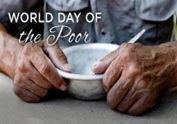
6) The Poor at the Heart of the Gospel: At the centre of all Christian mission lies the preferential love for the poor. Jesus identifies himself with them: “Whatever you did for one of the least of these, you did for me.” The poor are not passive recipients of charity but living icons of Christ’s presence. Pope Francis often says that they are the “living core” of the Gospel, for they reveal its power to transform society through compassion. St. John Chrysostom called the poor the “treasure of the Church,” and St. Vincent de Paul saw in them “our lords and masters.” The document Dilexi te echoes this timeless conviction: solidarity with the poor is a duty of justice, not mere sentiment. The mission of Pilgrims of Hope, therefore, must be lived in daily acts of inclusion, generosity, and advocacy for human dignity.
7) Jubilee 2025: Pilgrims of Hope in Action: In a world wounded by inequality, war, and ecological crisis, the Year of Jubilee summons the Church to a renewed witness of hope. Hope is born where people pray, work, and persevere together for the Kingdom. Pilgrims of Hope are those who, while carrying their own crosses, walk beside others to heal and uplift. They do not wait idly for a better world; they build it with faith-filled hands. Acts of mercy, fair labour, education for the poor, environmental care, and courageous proclamation of truth all become signs of God’s coming reign. Through such stewardship, the Church mirrors the light of Christ and draws others into His joy.
8) Faith in Action: Practical Paths for the Journey: Believers can embody this call through simple practices: to reflect daily on the use of one’s gifts; to serve the poor through personal encounter and community service; to remain spiritually alert through prayer; to take bold initiatives in ministry; to advocate for justice; to nurture family faith sharing; and to persevere with courage in trials. These are small but powerful ways to live as Pilgrims of Hope, weaving faith into the everyday tapestry of human life.
Final Punch: Hope that Transforms: The message of the 33rd Sunday of Ordinary Time invites the Church to stand firm in faith, active in stewardship, and compassionate in mission. The end times are not meant to instil fear but to awaken readiness and courage. As the Church journeys through the Jubilee Year, believers are reminded that hope is the fruit of faithful love in action. To be Pilgrims of Hope is to see Christ in the poor, to work with diligence, to persevere through tribulation, and to serve with joy. In doing so, the Church becomes a sign of the new creation already dawning—a community that witnesses to the light of Christ through justice, mercy, and enduring faith.
Questions:
1) How can believers actively embody the call to perseverance and faithful stewardship in their daily lives, especially in service to the poor and marginalized?
2) In what ways can the Jubilee Year theme "Pilgrims of Hope" inspire Christian communities to move beyond comfort and engage courageously in acts of justice and mercy?
3) How does the message of vigilant hope differ from fear-based vigilance, and how can this hopeful vigilance shape the attitude of Christians toward the challenges and trials of life?
© 2026 CATHOLIC CONNECT POWERED BY ATCONLINE LLP